Discover Exactly How Repiping Provider Can Transform Your Plumbing System right
Repiping solutions play a vital function in maintaining a home's plumbing system. They include changing old or broken pipelines to boost general functionality. Home owners might notice different indications indicating the requirement for such services. Recognizing these indications and the advantages of repiping can greatly boost water top quality and stress. Numerous stay unaware of the various materials and processes involved. Discovering these elements discloses the true potential of a recently repiped system.
What Is Repiping and When Is It Needed?
Repiping refers to the process of replacing old or damaged pipelines in a plumbing system, which is frequently required when the existing pipelines have actually degraded due to age, corrosion, or leaks. This treatment is important for preserving the stability and capability of a pipes system. Gradually, pipelines can create concerns that endanger water circulation and top quality, leading to potential carcinogen and costly repairs.
Repiping may entail different products, including copper, PEX, or PVC, each picked based upon particular demands and regional building ordinance. Home owners might consider repiping when constant repair work are called for, water pressure is consistently low, or there are recognizable discolored or smelly water concerns. By dealing with these problems via repiping, people can boost the general efficiency of their plumbing systems, decrease the risk of future failures, and eventually minimize long-term maintenance costs.
Indicators You Might Need Repiping Solutions
When pipes concerns start to materialize, such as persistent leaks, low tide stress, or blemished water, it may show the need for repiping services. Homeowners may see constant pipe ruptureds or rust, which can result in significant damage if not attended to quickly. In addition, if water spots appear on wall surfaces or ceilings, this might indicate concealed leaks that require immediate focus. Uncommon noises, like gurgling or banging pipes, can additionally hint at underlying issues.
Another indication is the presence of mold and mildew or mold, commonly arising from moisture triggered by dripping pipelines. If the home has older pipes, especially galvanized steel or polybutylene pipes, the danger of wear and tear increases. Lastly, if water high quality diminishes, leading to unpleasant smells or preferences, it's necessary to speak with a specialist. Identifying these signs early can help home owners avoid extra extensive damage and expensive fixings.
Benefits of Repiping Your Home
Taking into consideration the age and problem of plumbing systems, lots of house owners discover that repiping deals substantial benefits. Among the key benefits is improved water quality; older pipes may harbor rust and pollutants, while new materials assure cleaner, safer water - Repipe Specialists. Repiping also enhances water pressure, permitting a much more enjoyable experience when making use of showers or faucets, as old, rusty pipes often limit flow
In addition, repiping eliminates leakages, reducing the danger of water damages and mold and mildew development within the home. This positive method can result in reduced water costs, as home owners will certainly not be shedding water through concealed leaks. Modern-day piping materials are extra resistant and durable to future issues, providing peace of mind. In general, repiping not only updates a home's pipes system yet likewise supplies long-term expense financial savings and enhanced home worth, making it a smart investment for home owners facing pipes obstacles.
Various Types of Piping Materials
When considering repiping options, home owners must examine different piping materials available on the marketplace. Copper piping is understood for its toughness and resistance to rust, while PEX provides versatility and simplicity of installment. Furthermore, PVC pipe serves details applications, particularly in drain and airing vent systems.
Copper Piping Benefits
Although different products are available for plumbing systems, copper piping stays a top selection because of its countless benefits. Prominent for its longevity, copper can stand up to heats and is resistant to corrosion, ensuring a long life-span. In addition, copper has natural anti-bacterial residential or commercial properties, which aid maintain water quality by preventing the growth of harmful germs. Its malleability permits easy installation, making it appropriate for different pipes arrangements. Copper pipes additionally have a high resale value, enhancing the overall worth of a property. They are recyclable, making them an environmentally friendly option. Generally, the mix of strength, health advantages, and sustainability strengthens copper piping's track record as a trusted option for pipes systems.
PEX Pipe Perks
Along with copper piping, PEX (cross-linked polyethylene) has actually gained appeal as a trustworthy choice in modern plumbing systems. Its versatility enables less complicated installation, especially in tight rooms, minimizing the demand for joints and fittings that can be susceptible to leakages. PEX is additionally resistant to corrosion and scale accumulation, which improves its long life contrasted to typical products. Additionally, it can stand up to low temperatures, making it appropriate for numerous climates. The material is lightweight, making transportation and handling less complex. PEX piping is much less noisy than metal pipes, decreasing water hammer appears. In general, these benefits make PEX an appealing choice for property owners looking for long lasting and effective plumbing solutions.
PVC Pipeline Applications
PVC (polyvinyl chloride) pipes are extensively made use of in various pipes applications because of their versatility and cost-effectiveness. Generally employed in domestic and business setups, PVC pipes serve in water drainage systems, waste disposal, and airing vent. Their light-weight nature assists in simple installment, while their resistance to deterioration and chemicals assurances long life. Additionally, PVC is an outstanding option for watering systems, as it can hold up against varying dirt problems and pressure degrees. In potable water supply, nevertheless, its use is much less typical due to regulative restrictions. Despite this limitation, PVC remains a prominent alternative for lots of pipes projects, supplying a trustworthy remedy for both brand-new constructions and repiping efforts, making it an important material in contemporary plumbing facilities.
The Repiping Refine Explained
When a pipes system shows signs of wear and tear, the repiping process ends up being necessary to recover its capability and stability. This procedure usually begins with a thorough analysis of the existing plumbing to determine the degree of the damages. As soon as the assessment is complete, a plan is formulated to replace old, rusty pipelines with new products, frequently choosing in between copper, PEX, or PVC.
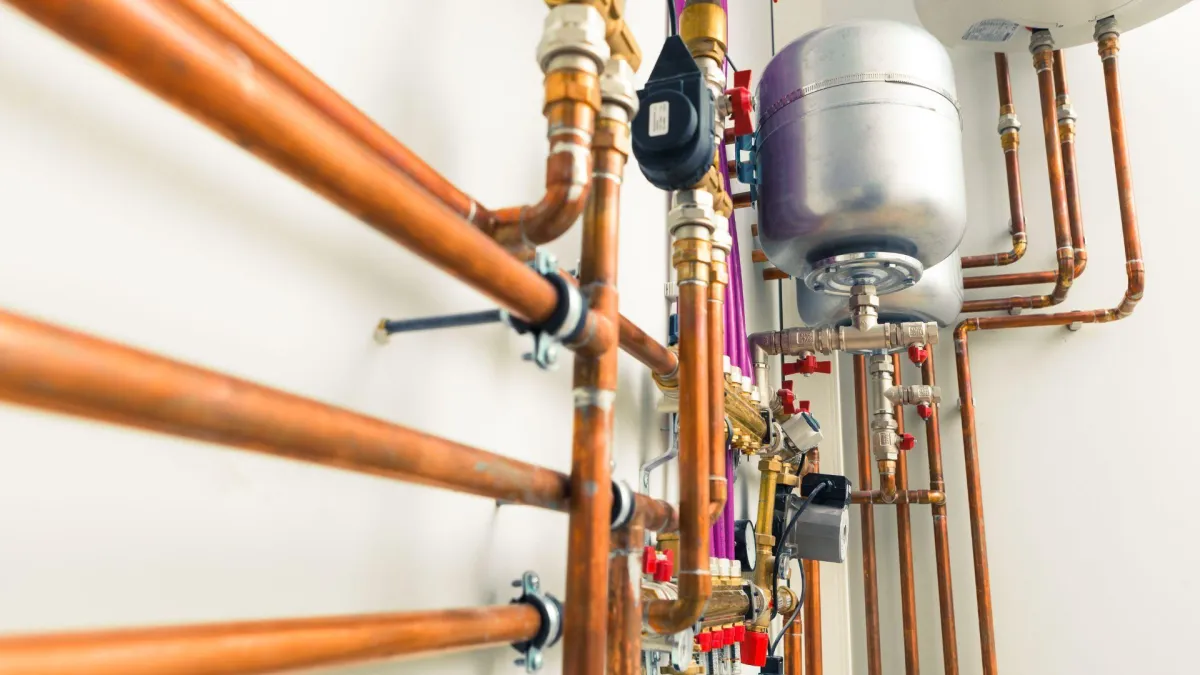
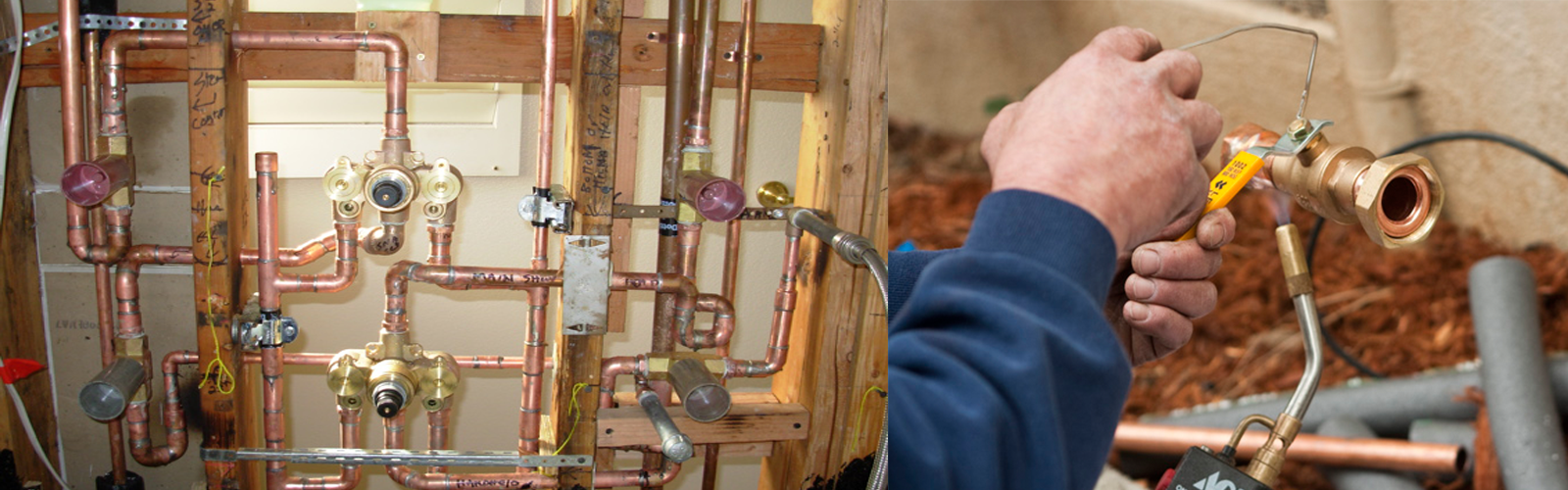
The system undergoes testing for leaks and capability. After verifying that everything operates properly, the wall surfaces are repaired, and the location is recovered to its initial problem, completing the repiping procedure.
Exactly How Repiping Can Raise Your Home's Worth
Repiping offers substantial advantages that can enhance a home's overall worth, particularly as possible buyers progressively seek reliable and modern-day pipes systems. Homes with obsolete or worsening pipelines usually prevent potential buyers, who may fret about pricey repairs or health and wellness issues stemming from corrosion, leaks, or contamination. By buying repiping, homeowners can remove these worries, offering a properly maintained home that fulfills contemporary criteria.
Repiping can lead to improved water pressure and high quality, aspects that significantly appeal to customers. A pipes system that operates efficiently and reliably commonly translates to lower maintenance prices, contributing to the building's beauty. Additionally, repiping can improve a home's visual appeal by changing unpleasant pipelines with newer materials. Inevitably, a well-executed repiping job not just safeguards a home's framework yet additionally acts as a strong selling factor, making the building more affordable in a dynamic real estate market.
Picking the Right Pipes Specialist for Repiping
Picking the best pipes expert for repiping includes careful consideration of their qualifications and experience. Property owners must also seek detailed expense price quotes to assure they recognize the financial implications of the project. Making informed options in these locations can result in a successful repiping experience.
Qualifications and Experience
Selecting a certified plumbing professional for repiping is important to making certain an effective project. Credentials play a substantial role in identifying a plumbing technician's proficiency; licensed professionals have actually fulfilled certain training and regulatory standards. In addition, certifications from acknowledged companies can show advanced understanding and skills in plumbing systems. Experience is equally crucial; experienced plumbing technicians have actually most likely experienced varied obstacles, refining their problem-solving abilities. Property owners need to ask about previous tasks, requesting recommendations to gauge satisfaction levels among previous clients. An expert's familiarity with different materials and techniques, in addition to their capacity to remain updated on sector innovations, further boosts their reliability. Eventually, picking a plumbing with solid qualifications and ample experience promotes confidence in the repiping process and its outcomes.
Expense and Estimates
While examining the price of repiping services, homeowners need to think about different elements that influence pricing. These factors consist of the kind of products utilized, the degree of the plumbing job required, and the complexity of the existing plumbing system. In addition, labor expenses can differ considerably based upon the plumbing specialist's experience and area. Acquiring in-depth estimates from multiple contractors is essential for making an educated decision. Home owners should also inquire concerning service warranties and potential added prices that might emerge during the task. Ultimately, selecting a trusted plumbing professional that gives transparent pricing and thorough quotes will help ensure an effective repiping job, causing improved plumbing performance and longevity.
Often Asked Questions
Exactly how Long Does a Common Repiping Job Require To Complete?
A common repiping project usually takes in between one to 3 days to finish, depending upon the size of the home and the complexity of the plumbing system. Aspects such as access likewise affect the period.
Will I Need to Leave My Home Throughout Repiping?
Commonly, homeowners may require to leave their house throughout repiping, specifically if comprehensive job is being done. The period of the discharge depends upon the project's range, however it usually lasts a few days to a week.
Can Repiping Take Care Of Low Water Stress Concerns?
Repiping can efficiently attend to low water stress issues by replacing old, rusty pipelines that restrict circulation (Repiping). This procedure improves water delivery, making sure enhanced pressure and total performance of the plumbing system throughout the home
Is Repiping Covered by Property owner's Insurance policy?
Repiping is often not covered by property owner's insurance policy, as it generally drops under maintenance as opposed to unexpected damage. Details policies might vary, so consulting with the insurance coverage provider is recommended for clearness.
What Should I Do to Plan for Repiping?
To prepare for repiping, house owners must clear the workspace, warranty access to pipes components, review the job with professionals, and understand the prospective influence on everyday regimens and water availability throughout the procedure.
Repiping solutions play an important check here role in preserving a home's plumbing system. Repiping refers here to the process of changing old or damaged pipelines in a plumbing system, which is commonly necessary when the existing pipelines have actually worn away due to age, deterioration, or leaks. Selecting a certified pipes specialist for repiping is necessary to making certain a successful job. These factors consist of the type of materials made use of, the extent of the plumbing job needed, and the intricacy of the existing plumbing system. A typical repiping job normally takes in between one to three days to complete, depending on the dimension of the home and the complexity of the plumbing system.